Selasa, 18 November 2025

117+ L Shaped Flat Roof Design Plans

Patricia breccia salvajeando.blogspot.com

Introduction: Building Your Own L-Shaped Flat Roof Design
An L-shaped flat roof design can be a stylish and functional addition to a home or structure. It allows for unique architectural features, maximizes space utilization, and offers opportunities for rooftop gardens or solar panel installations. Creating your own DIY version requires careful planning and execution, but the results can be incredibly rewarding. This guide provides a step-by-step approach to constructing an L-shaped flat roof design.
Step 1: Planning and Design
This is the most crucial stage. Proper planning is essential for a successful project.
  • Define the Dimensions: Measure the area where the roof will be installed. Determine the length and width of each leg of the "L" shape. Accurately record all measurements.
  • Create a Detailed Sketch: Draw a scaled sketch of the roof, including all dimensions and angles. This will be your visual reference throughout the construction process. Consider using architectural software for a more professional rendering.
  • Choose Materials: Select appropriate materials for framing, sheathing, and roofing. Consider factors like climate, budget, and desired lifespan. Popular choices include treated lumber for framing, plywood or OSB for sheathing, and modified bitumen or EPDM for the roofing membrane.
  • Determine Drainage: Flat roofs require proper drainage to prevent water accumulation. Design a drainage system that includes a slight slope (minimum 1/4 inch per foot) towards gutters and downspouts. Decide on the placement and size of the gutters and downspouts.
  • Obtain Necessary Permits: Check with your local building department to determine if any permits are required for your roofing project. Acquire all necessary permits before starting construction.
  • Step 2: Framing the Roof
    The framing provides the structural support for the roof.
  • Cut Lumber to Size: Using your sketch and measurements, cut the lumber for the roof joists, beams, and support posts. Ensure all cuts are accurate and square.
  • Assemble the Frame: Construct the L-shaped frame using the cut lumber. Securely fasten the joists to the beams using nails or screws. Ensure the frame is level and square.
  • Install Support Posts: Install support posts to provide additional support to the frame. The placement and number of support posts will depend on the span of the roof and the load it will bear.
  • Check for Level and Square: Use a level and square to ensure the frame is perfectly level and square. Make any necessary adjustments before proceeding to the next step.
  • Consider Overhangs: Incorporate overhangs into your frame design if desired. Overhangs can provide shade and protect the walls from the elements.
  • Step 3: Sheathing the Roof
    Sheathing provides a solid surface for the roofing membrane.
  • Cut Sheathing Material: Cut the plywood or OSB sheathing material to the appropriate size for the roof frame.
  • Attach Sheathing: Attach the sheathing to the roof frame using nails or screws. Ensure the sheathing is securely fastened and that there are no gaps between the sheets.
  • Stagger Seams: Stagger the seams of the sheathing to increase the strength and stability of the roof.
  • Inspect Sheathing: Inspect the sheathing for any defects or damage. Replace any damaged sheets before proceeding.
  • Step 4: Installing the Roofing Membrane
    The roofing membrane provides a waterproof barrier.
  • Clean the Sheathing: Clean the sheathing surface to remove any debris or dirt. This will ensure proper adhesion of the roofing membrane.
  • Apply Primer (if required): Some roofing membranes require a primer to be applied to the sheathing before installation. Follow the manufacturer's instructions for primer application.
  • Install Roofing Membrane: Install the roofing membrane according to the manufacturer's instructions. This may involve rolling out the membrane, applying adhesive, or using a heat gun to seal the seams. Overlap the seams properly to ensure a watertight seal.
  • Seal Edges and Penetrations: Seal all edges and penetrations (e.g., vents, pipes) with appropriate sealant to prevent water leakage.
  • Consider a Protective Coating: Applying a reflective coating to the roofing membrane can help reduce heat absorption and extend the lifespan of the roof.
  • Step 5: Installing Drainage System
    The drainage system is crucial for preventing water damage.
  • Install Gutters: Install gutters along the edges of the roof to collect rainwater. Securely fasten the gutters to the roof frame.
  • Install Downspouts: Install downspouts to channel the water away from the roof and foundation. Ensure the downspouts are properly connected to the gutters and that they drain water away from the building.
  • Check for Proper Slope: Ensure the gutters and downspouts have a slight slope to allow water to flow freely.
  • Test Drainage System: Test the drainage system by pouring water onto the roof and observing how it drains. Make any necessary adjustments to ensure proper drainage.
  • Step 6: Finishing Touches and Inspection
    The final touches make a big difference.
  • Inspect the Entire Roof: Carefully inspect the entire roof for any defects or potential problems. Pay close attention to seams, edges, and penetrations.
  • Address Any Issues: Address any issues that are identified during the inspection. This may involve repairing seams, sealing edges, or replacing damaged materials.
  • Apply Final Sealant: Apply a final layer of sealant to all edges and penetrations to ensure a watertight seal.
  • Clean Up: Clean up the work area and remove any debris or leftover materials.
  • Optional: Add a Rooftop Deck or Garden: If desired, add a rooftop deck or garden to enhance the functionality and aesthetic appeal of the roof. Ensure the deck or garden is properly installed to avoid damaging the roofing membrane.
  • Conclusion
    Building your own L-shaped flat roof design is a challenging but rewarding project. By following these step-by-step instructions and paying close attention to detail, you can create a functional and aesthetically pleasing roof that will last for years to come. Remember to prioritize safety throughout the construction process and to consult with professionals if you have any questions or concerns.

    Patricia Breccia

    Patricia breccia salvajeando.blogspot.com

    En La Cocina: Sopa De Verduras Con Pasta

    En la cocina: sopa de verduras con pasta maria-sigoenlacocina.blogspot.com

    Senin, 17 November 2025

    124+ Chicken Coop Build Pt 1

    Chicken & biscuits bake recipe by tasty tasty.co

    Opening: Building a Better Coop for Happy Chickens! Ready to embark on a rewarding DIY project? Building your own chicken coop is a fantastic way to provide a safe, comfortable, and customized home for your feathered friends. This guide will walk you through the process step-by-step, ensuring your chickens have a coop that meets their needs and enhances your backyard. This first part focuses on the foundational aspects of the coop.
    Step 1: Planning and Design Before you even pick up a hammer, careful planning is crucial. Consider these factors:
    • Number of Chickens: How many chickens do you plan to house? A general rule is 4 square feet of coop space per chicken and 8-10 square feet of run space per chicken.
    • Local Climate: Your coop needs to be adapted to your area's weather. Consider insulation for cold winters, ventilation for hot summers, and protection from rain and snow.
    • Predator Protection: Secure the coop against predators like foxes, raccoons, hawks, and dogs. This includes strong wire mesh, buried hardware cloth, and secure latches.
    • Coop Style and Size: Research different coop designs – A-frame, shed-style, walk-in, etc. Choose a style that suits your backyard and personal preferences. Draw up detailed plans with dimensions, materials list, and cut list. Having a detailed plan will save time and prevent costly mistakes.
    Step 2: Gathering Materials and Tools Based on your plan, gather all the necessary materials. Here's a general list (adapt it to your specific design):
    • Lumber: Pressure-treated lumber for the base and framing, untreated lumber for the walls and roof.
    • Plywood or OSB: For the coop walls and roof sheathing.
    • Hardware Cloth: For the run walls and floor (to prevent digging predators). 1/2-inch mesh is recommended.
    • Roofing Material: Shingles, metal roofing, or corrugated plastic.
    • Nails, Screws, and Bolts: Galvanized for weather resistance.
    • Hinges and Latches: For doors and nesting boxes. Choose sturdy, predator-proof hardware.
    • Chicken Wire: Only to be used for overhead coverage as it is not predator proof.
    • Nesting Boxes: Purchased or built from scrap lumber.
    • Roosting Bars: Round or square bars for the chickens to perch on.
    Tools you'll need:
    • Saw: Circular saw, miter saw, or hand saw.
    • Drill/Driver: With various drill bits and screw driving bits.
    • Hammer.
    • Measuring Tape.
    • Level.
    • Square.
    • Staple Gun.
    • Wire Cutters.
    • Safety Glasses and Gloves.
    Step 3: Building the Base The base is the foundation of your coop, so ensure it's level and sturdy.
    • Frame Construction: Cut the pressure-treated lumber according to your plan to create the perimeter frame of the base.
    • Joining the Frame: Assemble the frame using screws or nails. Ensure the corners are square and the frame is level.
    • Adding Support: Add cross supports within the frame for extra strength and to prevent sagging. Space them evenly apart.
    • Leveling: Place the base in its desired location and use shims to level it. A level base is crucial for the stability of the entire coop.
    Step 4: Constructing the Frame With the base in place, it's time to build the walls of the coop.
    • Wall Framing: Cut lumber according to your plan to create the wall frames. Remember to account for door and window openings.
    • Assembling Wall Frames: Assemble each wall frame using screws or nails. Ensure the frames are square and sturdy.
    • Attaching Walls to Base: Attach the wall frames to the base using screws or nails. Use a level to ensure the walls are plumb (vertical).
    • Adding a Roof Frame: Construct the roof frame according to your plan. The roof frame will dictate the style (e.g., gable, shed) of your roof. Ensure it is securely attached to the wall frames.
    Conclusion: Foundation for a Chicken Paradise You've successfully laid the groundwork for your chicken coop by building a solid base and framing. This is a significant accomplishment! In the next part, we'll focus on enclosing the coop, adding the roof, and creating secure access for both you and your chickens. Remember to double-check your measurements and ensure everything is level and square. A well-built frame sets the stage for a safe and happy home for your flock.

    Double Crust Chicken Pot Pie Recipe

    Double crust chicken pot pie recipe www.artofit.org

    Fried Chicken Wallpapers

    Fried chicken wallpapers wallpaperaccess.com

    Chicken & Biscuits Bake Recipe By Tasty

    Chicken & biscuits bake recipe by tasty tasty.co

    Kamis, 13 November 2025

    101+ Tuff Shed Gutters

    Mineralatlas lexikon www.mineralienatlas.de

    Opening: Battling Runoff with DIY Tuff Shed Gutters Is rainwater wreaking havoc around your Tuff Shed? Puddles, erosion, and potential foundation issues can be avoided with a simple and effective DIY gutter system. This guide will walk you through building and installing gutters on your Tuff Shed, step by step.
    Step 1: Gather Your Materials Before you begin, assemble the necessary materials. This will make the process smoother and prevent frustrating trips to the hardware store mid-project. Here's what you'll need:
    • Gutter Sections (Aluminum or Vinyl): Measure the length of your shed eaves to determine how much gutter material to buy. Add a few extra feet for overlap and waste.
    • End Caps: One for each end of your gutter runs.
    • Gutter Hangers/Brackets: Choose hangers appropriate for your shed's construction. Space them about every 2-3 feet.
    • Downspout Sections: Determine the length needed based on the height of your shed and where you want the water to drain.
    • Downspout Elbows: Use these to direct the downspout away from the shed.
    • Downspout Straps: Secure the downspout to the shed wall.
    • Gutter Sealant (Silicone-Based): For sealing joints and end caps.
    • Pop Rivets or Self-Tapping Screws: For attaching gutters to hangers and joining sections (if using aluminum). Vinyl gutters typically glue together.
    • Drill: For pilot holes and securing screws.
    • Rivet Gun (If using pop rivets).
    • Measuring Tape
    • Pencil or Marker
    • Safety Glasses
    • Gloves
    • Ladder
    • Saw (Hacksaw or Circular Saw with appropriate blade for cutting gutters)
    Step 2: Measure and Cut Gutter Sections Accurately measure the length of your shed's eaves where you'll be installing the gutters. Transfer these measurements to your gutter sections and carefully cut them to the appropriate lengths using your saw. Remember to cut slightly longer than needed; it's easier to trim a little off than to add material.
    Step 3: Attach End Caps Apply a generous bead of gutter sealant to the inside of the end caps. Press the end caps firmly onto the ends of the gutter sections. Secure them in place with pop rivets or self-tapping screws (depending on your gutter material). Wipe away any excess sealant.
    Step 4: Install Gutter Hangers/Brackets Determine the best way to attach the hangers to your shed. If you have a fascia board, attach them directly to it. If not, you may need to attach them to the rafters or roof sheathing. Ensure the hangers are spaced evenly, about every 2-3 feet. Use screws appropriate for the material you're attaching to. Important: The gutter should slope slightly towards the downspout. This ensures proper water drainage. A slope of about 1/4 inch per 10 feet is generally recommended.
    Step 5: Attach Gutter Sections to Hangers Carefully lift the gutter sections into place and secure them to the hangers. Use pop rivets or self-tapping screws to attach the gutter to each hanger.
    Step 6: Assemble Downspout Determine where you want the downspout to be located. Cut the downspout sections to the appropriate lengths. Use downspout elbows to direct the water away from the shed's foundation. Secure the downspout sections together with sealant and pop rivets or self-tapping screws, if necessary.
    Step 7: Attach Downspout to Gutter Cut a hole in the bottom of the gutter where you want to attach the downspout. The size of the hole should match the diameter of the downspout inlet. Attach the downspout to the gutter using a downspout connector and secure it with sealant and rivets or screws.
    Step 8: Secure Downspout to Shed Use downspout straps to attach the downspout to the shed wall. Space the straps evenly along the length of the downspout.
    Step 9: Test and Adjust Once everything is installed, test the gutter system by running water through it. Check for leaks and make any necessary adjustments. Ensure the water flows smoothly through the gutters and down the downspout.
    Conclusion: Enjoy Your Protected Shed Congratulations! You've successfully installed a DIY gutter system on your Tuff Shed. This will help protect your shed from water damage, prevent erosion, and keep the surrounding area drier. Regularly inspect and clean your gutters to ensure they remain effective.

    Beige Textured Rock Fragment Free Stock Photo

    Beige textured rock fragment free stock photo www.freeimages.com

    Tuff Off-road T05 Wheels & T05 Rims On Sale

    Tuff off-road t05 wheels & t05 rims on sale www.richlinemotorsports.com

    Mineralatlas Lexikon

    Mineralatlas lexikon www.mineralienatlas.de

    Rabu, 12 November 2025

    133+ Small Free Range Chicken Coop

    Small dog breed for sale at johnnie sharp blog exomtfjnf.blob.core.windows.net

    Opening: Your Chickens Deserve the Best! Thinking about starting a backyard flock on a budget? This simple, small-scale free-range chicken coop is the perfect DIY project. It provides a safe and comfortable haven for your chickens while allowing them to roam and forage. This plan focuses on using readily available and affordable materials, making it an economical solution for new chicken keepers. Let's get started!
    Step 1: Gather Your Materials Before you begin construction, make sure you have all the necessary materials. This will streamline the building process and minimize interruptions.
    • Lumber: Pressure-treated 4x4 posts (for the base), 2x4 lumber (for framing), 1x4 lumber (for trim and roosts)
    • Plywood: Exterior-grade plywood (for the coop floor, walls, and roof)
    • Hardware Cloth: 1/2-inch hardware cloth (for ventilation and predator protection)
    • Roofing Material: Asphalt shingles, metal roofing, or other suitable weatherproof material
    • Fasteners: Screws, nails, staples (various sizes)
    • Hinges and Latch: For the coop door and access panel
    • Chicken Wire (optional): For additional run fencing
    Step 2: Build the Base A sturdy base is essential for a stable and long-lasting chicken coop.
    1. Cut the 4x4 posts to the desired height. Consider ground clearance for ventilation and to prevent moisture damage.
    2. Frame the base using 2x4 lumber, creating a rectangular or square platform. Ensure the frame is square before fastening.
    3. Attach the 4x4 posts to the inside corners of the base frame using screws or nails.
    4. Optional: Add cross bracing to the base for added stability, especially if your coop will be located on uneven ground.
    Step 3: Construct the Coop Frame The coop frame provides the structural support for the walls and roof.
    1. Build the wall frames using 2x4 lumber. The height and width will depend on the desired size of your coop.
    2. Include openings for a door and windows/vents in the wall frames.
    3. Attach the wall frames to the base frame, ensuring they are plumb and square. Use screws or nails to secure them.
    4. Construct the roof frame using 2x4 lumber. A simple sloped roof is easiest to build.
    5. Attach the roof frame to the wall frames.
    Step 4: Enclose the Coop Enclosing the coop provides protection from the elements and predators.
    1. Cut the plywood to fit the walls and roof frame.
    2. Attach the plywood to the frame using screws or nails.
    3. Cut out openings for the door and windows/vents.
    4. Install hardware cloth over the window/vent openings for ventilation and predator protection.
    5. Install the roofing material according to the manufacturer's instructions.
    Step 5: Add the Finishing Touches The finishing touches make the coop functional and comfortable for your chickens.
    1. Build and install the coop door using plywood and 2x4 lumber. Attach hinges and a latch.
    2. Install roosting bars using 1x4 lumber. Position them at varying heights for the chickens to perch on.
    3. Add bedding to the coop floor, such as straw or wood shavings.
    4. Optional: Build a nesting box inside the coop for egg laying.
    5. Optional: Add a small ramp leading to the coop door.
    Conclusion: Happy Chickens, Happy You! Congratulations! You've built a small, free-range chicken coop that will provide a safe and comfortable home for your flock. Remember to regularly clean the coop and provide fresh food and water. With a little care and attention, your chickens will thrive in their new home, providing you with fresh eggs and hours of entertainment. Enjoy your backyard chickens!

    Dwarf Animals

    Dwarf animals ar.inspiredpencil.com

    Small Dog Breed For Sale At Johnnie Sharp Blog

    Small dog breed for sale at johnnie sharp blog exomtfjnf.blob.core.windows.net

    Small Living Room Decor Ideas Simple And Elegant

    Small living room decor ideas simple and elegant infoupdate.org

    Selasa, 11 November 2025

    99+ Shed With Storage Bins

    Cedar lap siding deluxe estate sheds www.gazebocreations.com

    Introduction: Organizing Your Space with a DIY Shed and Storage Bins Tired of clutter? A well-organized shed can be a game-changer for storing tools, gardening supplies, and seasonal items. This post guides you through building a simple shed equipped with storage bins to maximize your organizational capabilities. Let's get started!
    Planning and Preparation:
  • Assess Your Needs:
  • Begin by determining what you need to store in the shed. This will dictate the size of the shed and the number and size of the storage bins required.
  • Choose a Location:
  • Select a level area in your yard. Consider sunlight exposure, proximity to your house, and drainage.
  • Gather Materials and Tools:
  • Here's a general list: Lumber (pressure-treated for the base), plywood or OSB for walls and roof, roofing materials (shingles, metal sheets, etc.), nails/screws, hinges, a door latch, storage bins, saw, drill, measuring tape, level, hammer, safety glasses, work gloves. Customize the list based on your specific design.
  • Create a Design:
  • Sketch out a basic design with dimensions. This will help you calculate the amount of materials needed. Factor in the space for your storage bins along one or more walls.
    Building the Shed: Step-by-Step
  • Construct the Base:
  • Build a rectangular frame using pressure-treated lumber. Ensure it's square and level. Attach joists across the frame for added support. This forms the foundation of your shed.
  • Frame the Walls:
  • Build the wall frames using lumber. Include studs (vertical supports) every 16 or 24 inches. Frame out the doorway. Ensure the walls are square.
  • Attach the Walls to the Base:
  • Carefully lift each wall frame and attach it to the base using screws or nails. Use a level to ensure the walls are plumb.
  • Sheathe the Walls:
  • Cover the exterior of the walls with plywood or OSB. This adds strength and weather resistance.
  • Build the Roof:
  • Construct roof rafters (angled beams). Attach them to the tops of the walls. Sheathe the roof with plywood or OSB.
  • Install Roofing:
  • Cover the roof sheathing with roofing felt (underlayment). Install your chosen roofing material (shingles, metal sheets, etc.).
  • Install the Door:
  • Build a simple door frame and attach it to the doorway. Install hinges and a latch.
    Integrating Storage Bins:
  • Determine Bin Placement:
  • Decide where you want to place your storage bins within the shed. Usually along one or more walls.
  • Build Shelving (Optional):
  • If you want to stack bins or create a dedicated storage area, build simple shelving units using lumber. Ensure the shelves are sturdy enough to support the weight of the filled bins.
  • Organize and Label:
  • Place the storage bins in their designated locations. Label each bin clearly to indicate its contents. This will make it much easier to find what you need later.
    Finishing Touches:
  • Paint or Stain:
  • Protect the shed's exterior by applying paint or stain. Choose a color that complements your surroundings.
  • Add Ventilation:
  • Install vents near the roof to allow for air circulation. This helps prevent moisture buildup.
  • Landscaping:
  • Add gravel or mulch around the base of the shed to improve drainage and prevent weeds.
    Conclusion: Enjoy Your Organized Space Congratulations! You've built a functional shed with integrated storage bins. With a little planning and effort, you can create a well-organized space to store your belongings and keep your yard tidy. Enjoy your newly organized shed!

    Cedar Lap Siding Deluxe Estate Sheds

    Cedar lap siding deluxe estate sheds www.gazebocreations.com

    Installed

    Installed www.shedsfirst.co.uk

    Amish-crafted Edgemont Wood Garden Shed

    Amish-crafted edgemont wood garden shed www.yardcraft.com

    Senin, 10 November 2025

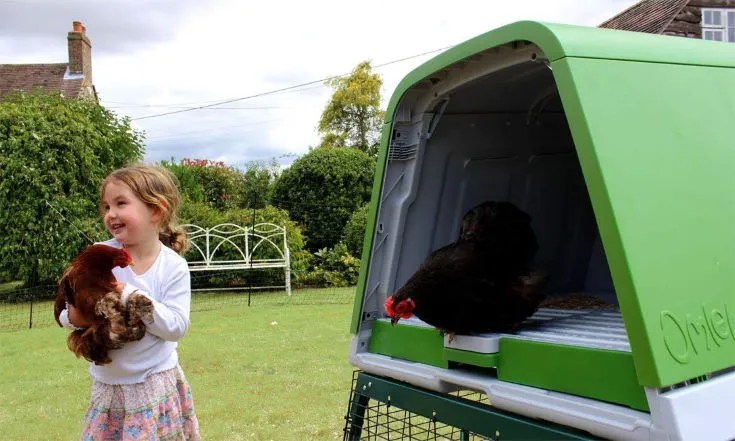
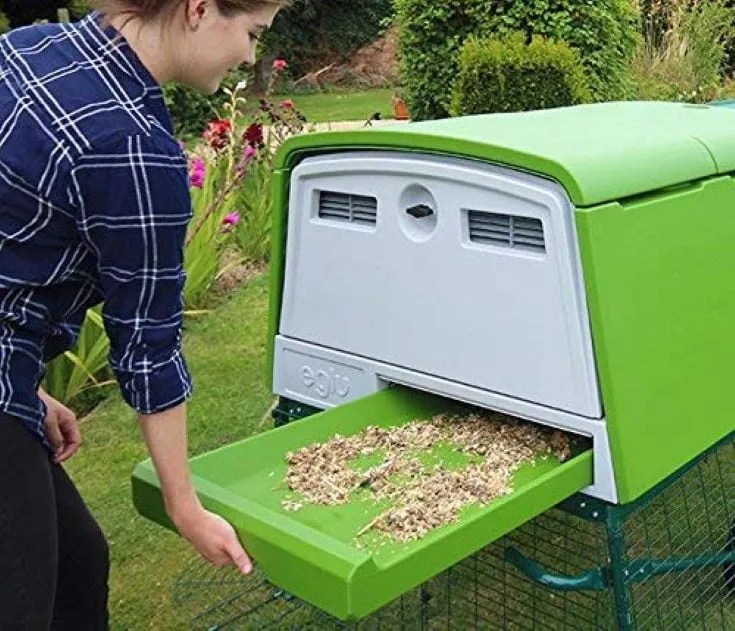
    49+ Eglu Chicken Coop Reviews

    Omlet eglu chicken coop reviews www.backyardboss.net

    Introduction: Building a DIY Chicken Coop Ready to welcome some feathered friends to your backyard? Building your own chicken coop is a rewarding project! It allows you to customize the coop to your specific needs and space constraints. This guide provides a step-by-step process for constructing a basic, functional, and secure chicken coop.
    Planning and Design Before you start hammering and sawing, careful planning is crucial. Consider these factors:
  • Number of Chickens: A general rule is 4 square feet of coop space per chicken and 8-10 square feet of run space.
  • Location: Choose a well-drained location with partial shade. Avoid low-lying areas prone to flooding. Consider proximity to your house for easy access.
  • Dimensions: Based on the number of chickens, determine the overall dimensions of the coop and run. A common size for 4-6 chickens is a 4ft x 6ft coop with an attached 8ft x 12ft run.
  • Materials: Create a materials list based on your design. Common materials include lumber (pressure-treated for ground contact), chicken wire or hardware cloth, roofing materials (shingles, metal roofing), nails, screws, hinges, and latches.
  • Permits: Check with your local authorities for any required permits or regulations regarding chicken coops.
  • Step 1: Building the Base The base of your coop provides a stable foundation.
  • Frame Construction: Build a rectangular frame using pressure-treated lumber. Ensure the frame is square and level.
  • Skirting (Optional): Add a skirt of hardware cloth around the base to prevent digging predators. Bury the skirt several inches deep into the ground.
  • Flooring (Optional): You can add a wooden floor to the coop or leave it with a dirt floor. A wooden floor provides better protection from rodents and makes cleaning easier. If using a wooden floor, ensure it's well-sealed to prevent moisture damage.
  • Step 2: Framing the Coop Walls Construct the walls of the coop, keeping in mind the necessary openings for the door and windows.
  • Wall Framing: Build wall frames using 2x4 lumber. Ensure the frames are square and plumb.
  • Cutouts: Create openings for the door and windows. Reinforce these openings with additional framing.
  • Attach Walls: Attach the wall frames to the base using screws or nails. Ensure the walls are securely fastened.
  • Step 3: Building the Roof The roof protects your chickens from the elements.
  • Rafters: Cut rafters to the desired angle for the roof slope.
  • Roof Frame: Attach the rafters to the wall frames, creating a stable roof frame.
  • Sheathing: Cover the roof frame with plywood or OSB sheathing.
  • Roofing Material: Install your chosen roofing material (shingles, metal roofing) according to the manufacturer's instructions. Ensure the roof is watertight.
  • Step 4: Building the Door and Windows Provide access and ventilation to the coop.
  • Door Construction: Build a sturdy door using lumber and hinges.
  • Window Construction: Create window frames and install hardware cloth for ventilation. Consider using plexiglass or other clear materials for added weather protection.
  • Installation: Install the door and windows into the framed openings.
  • Step 5: Building the Run The run provides a safe outdoor space for your chickens.
  • Frame Construction: Build a frame for the run using lumber.
  • Wire Enclosure: Cover the frame with chicken wire or hardware cloth. Ensure the wire is securely attached to the frame.
  • Attach to Coop: Attach the run to the coop, providing a seamless transition for the chickens.
  • Roofing (Optional): Add a roof to the run for added protection from rain and sun.
  • Step 6: Adding Features and Finishing Touches Customize the coop with essential features and details.
  • Roosting Bars: Install roosting bars inside the coop. Allow 8-10 inches of roosting space per chicken.
  • Nesting Boxes: Build or purchase nesting boxes. Provide one nesting box for every 3-4 chickens. Place them in a dark, quiet area of the coop.
  • Ventilation: Ensure adequate ventilation in the coop to prevent moisture buildup. Vents should be placed near the top of the walls.
  • Latches and Locks: Install secure latches and locks on the door and windows to protect your chickens from predators.
  • Finishing: Paint or stain the coop to protect it from the elements and add a touch of style.
  • Conclusion: Enjoy Your New Chicken Coop! Congratulations! You've built your own chicken coop. With proper planning, construction, and maintenance, your coop will provide a safe and comfortable home for your chickens for years to come. Enjoy the fresh eggs and the rewarding experience of raising your own backyard chickens!

    Omlet Eglu Chicken Coop Reviews

    Omlet eglu chicken coop reviews www.backyardboss.net

    Omlet Eglu Chicken Coop Reviews

    Omlet eglu chicken coop reviews www.backyardboss.net

    Omlet Eglu Chicken Coop Reviews

    Omlet eglu chicken coop reviews www.backyardboss.net

    Minggu, 09 November 2025

    172+ Building Code Flat Roof Slope

    1000+ beautiful skyscrapers photos · pexels · free stock photos www.pexels.com

    Opening: Prepare for a DIY Success! So, you're looking to build something awesome yourself? Excellent! This guide breaks down how to tackle a do-it-yourself project, from initial planning to triumphant completion. Let's dive in!
    Step 1: Define Your Project and Gather Resources Before you even touch a tool, clarity is key. What exactly are you building? A birdhouse? A shelf? A small shed? The more specific you are, the better.
  • First, clearly define the project's purpose, dimensions, and materials.
  • Next, make a detailed list of all necessary materials (wood, screws, paint, etc.).
  • Then, list all the tools you'll need (saw, drill, measuring tape, level, etc.).
  • Finally, Research safety precautions and best practices for each tool and material.
  • Step 2: Create a Detailed Plan or Blueprint A blueprint is your roadmap. Even a simple sketch is better than nothing. Include measurements, angles, and joinery details.
  • Draw a detailed sketch or use CAD software to create a blueprint.
  • Label all dimensions clearly.
  • Indicate materials for each component.
  • Consider any special considerations, like load-bearing requirements or weatherproofing.
  • Step 3: Cut and Prepare the Materials Careful cutting is crucial for a professional-looking result. Measure twice, cut once!
  • Precisely measure each piece according to your plan.
  • Use appropriate tools for cutting (saw, jigsaw, etc.).
  • Sand or smooth any rough edges.
  • Pre-drill holes to prevent splitting, especially when using screws near the ends of the wood.
  • Step 4: Assemble the Project This is where your vision starts to take shape. Take your time and double-check everything.
  • Follow your blueprint closely.
  • Use appropriate fasteners (screws, nails, glue).
  • Ensure all joints are square and secure.
  • Use clamps to hold pieces together while glue dries or screws are driven.
  • Step 5: Finishing Touches Don't skip this step! A good finish can make all the difference in appearance and longevity.
  • Sand the entire project again to remove any imperfections.
  • Apply primer and paint, stain, or sealant as desired.
  • Allow adequate drying time between coats.
  • Add any decorative elements or hardware.
  • Conclusion: Admire Your Handiwork! Congratulations! You've successfully completed your DIY project. Step back, admire your creation, and enjoy the satisfaction of building something with your own two hands. Don't be afraid to share your accomplishment and inspire others!

    1000+ Beautiful Skyscrapers Photos · Pexels · Free Stock Photos

    1000+ beautiful skyscrapers photos · pexels · free stock photos www.pexels.com

    Building Desktop Wallpapers

    Building desktop wallpapers wallpaperaccess.com

    Buildings

    Buildings sustainablecampus.unimelb.edu.au